Waterproof a Trailer From the Roof Down to the Deck Boards
Alasta Seal seals the roof and seams as one flexible membrane. OR93BL and Flak Jacket 1 handle everything below it — sidewall skins, frame rails, and the wood deck that is actually rotting. One system for the whole trailer, sprayed in a day, back in the rotation the same shift.
Get Fleet & Dealer PricingTrailers Do Not Rust to Death. They Rot.
The Deck Goes First
Whatever a trailer hauls, water gets in and sits on the floor. Plywood and laminated deck boards absorb it from the top and the bottom at once, delaminate, and go soft around the fastener holes. A sealed deck is the single highest-value square footage on a trailer.
Roof Seams Move at Highway Speed
An enclosed trailer roof is thin sheet held down by a screwed-on trim and a bead of sealant, on a box that racks and twists over every road joint. Alasta Seal at 300–400% elongation moves with it instead of cracking where the sealant did.
Cargo Loss Costs More Than the Trailer
For a contractor hauling tools, a landscaper hauling equipment, or a fleet running freight, a leaking trailer is an inventory problem before it is a maintenance problem. Water damage to what is inside almost always exceeds the cost of sealing the box.
One System, Roof to Frame
Alasta Seal on the roof and seams, OR93BL as the general corrosion and water barrier on skins and frames, Flak Jacket 1 where the surface takes real abuse. Same rig, same crew, same day.
Trailers We Waterproof
Anything with a deck, a roof, or a frame that lives outdoors and hauls for a living.
- Enclosed cargo trailers
- Landscape & contractor trailers
- Livestock & horse trailers
- Utility & flatbed trailers
- Dump & equipment trailers
- Concession & vending trailers
- Car haulers & enclosed racers
- Wood trailer decks & floors
- Ramp doors & ramp gates
- Frame rails & crossmembers
Three Products, Three Jobs
Picked by what the surface has to survive — water, corrosion, or impact.
Where the Water Gets In on an Enclosed Trailer
Walk any five-year-old cargo trailer and the same list turns up every time.
The roof-to-wall seam. A screwed-on trim strip over a bead of sealant, on a joint that flexes every time the box racks. This is the number one entry point on an enclosed trailer and it is usually leaking long before anyone notices, because the water runs down inside the wall.
The roof panel seams and rivet lines. Thin aluminum or steel roof sheet, lapped and riveted, with sealant that has taken a decade of UV.
The front and rear headers. Where the ramp door or barn doors meet the box. High-stress, high-movement, and constantly wet.
Vents and roof hardware. Roof vents, cargo lights, and any accessory somebody drilled in later.
From underneath. Everyone forgets this one. Road spray comes up through the gaps between deck boards and soaks the plywood from the bottom, where it never dries. On a trailer that runs winter roads it is brine, not just water.
Trailer Coating Numbers
Why a Wood Deck Is the Best Money on the Trailer
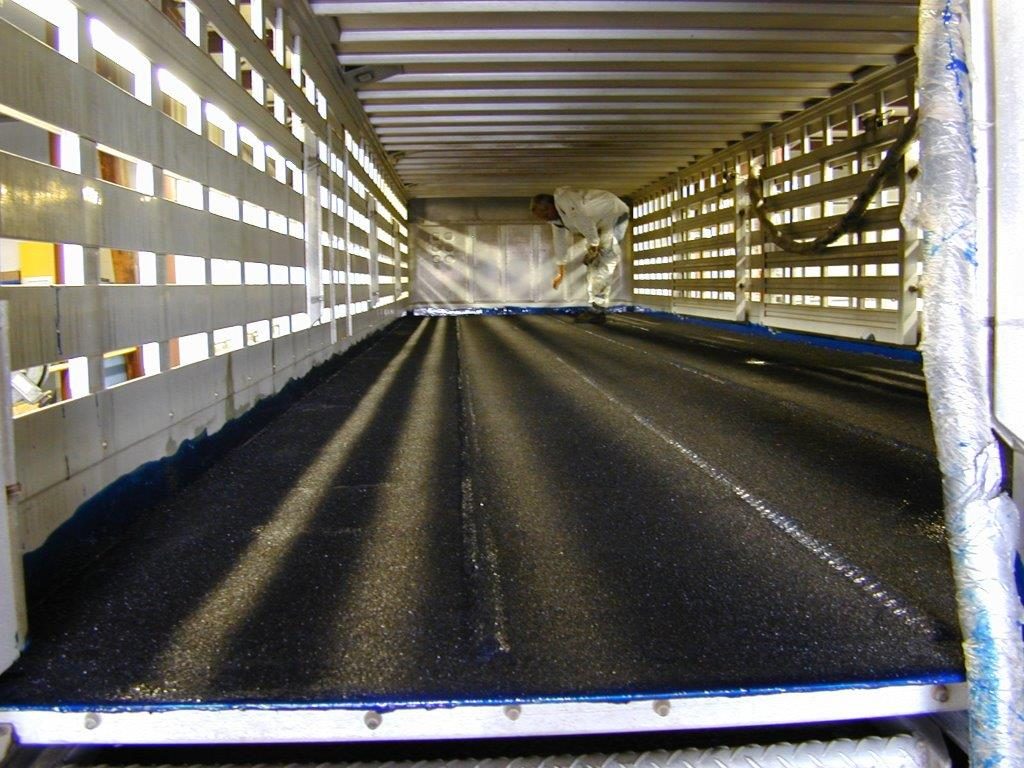
A trailer deck is the one component that is guaranteed to be replaced at least once in the trailer's life, and it is the most labor-intensive component to replace. Every board has to come out, the crossmembers get inspected and often repaired, and the new boards go in and start absorbing water on day one.
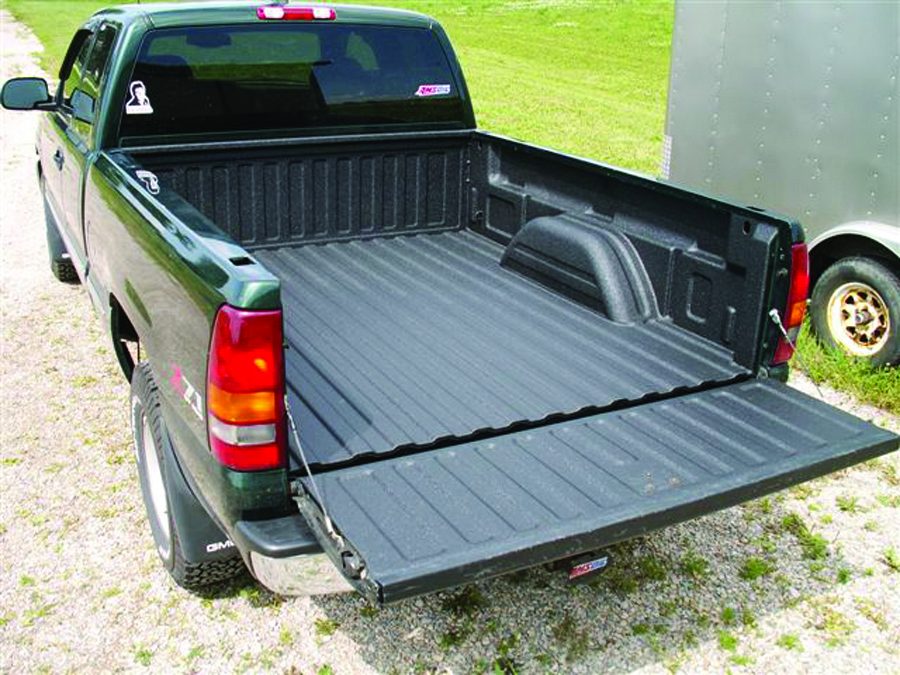
Sealing it changes the arithmetic. A sprayed polyurea deck coating does four things at once:
- Seals the top surface so spilled water, rain, and washed-off mud never enter the wood.
- Fills the gaps between boards — the path that lets road spray in from the underside — into one continuous surface.
- Seals the fastener holes, which are where deck rot almost always starts.
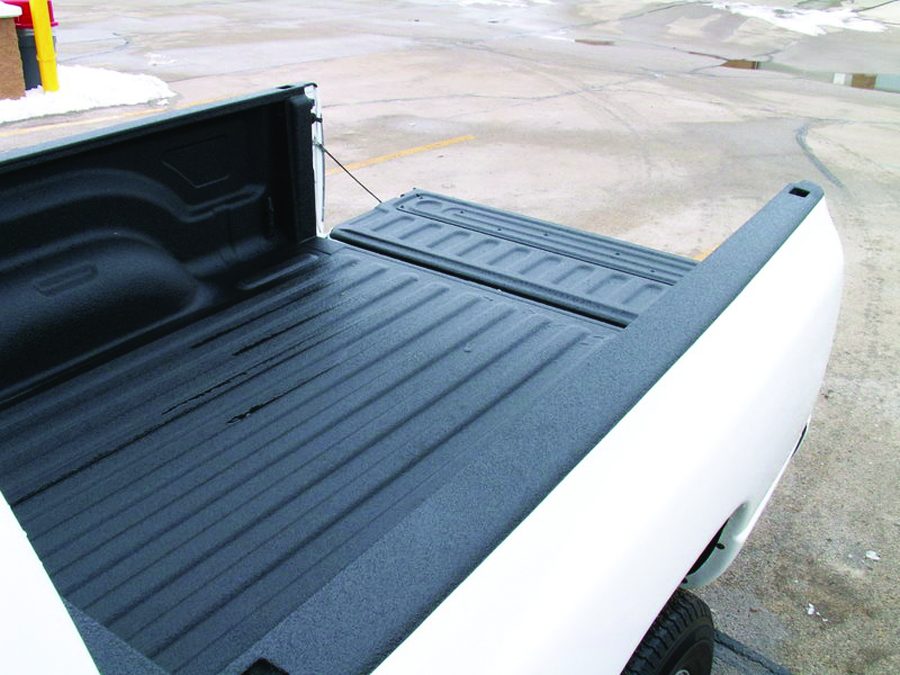
- Adds a wear and non-slip surface that takes equipment tracks, pallet jacks, hooves, and dropped tools without wearing through to bare wood.
At 80–125 mil of Flak Jacket 1, the deck stops being a consumable.
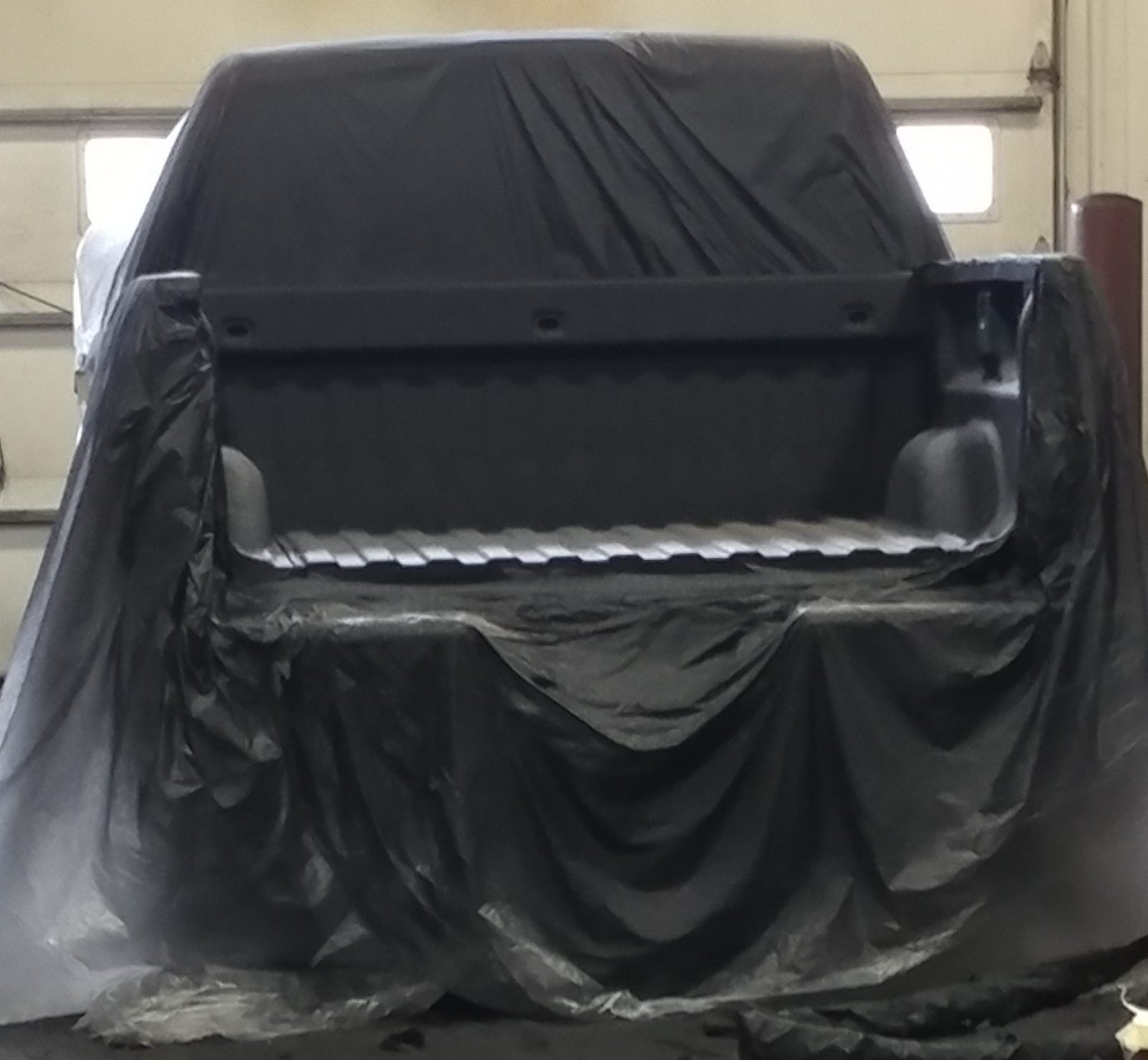
Trailer Work
One Trailer or a Whole Yard?
Send the trailer type, deck dimensions, and what it hauls. You will get a product-by-area spec, a DFT schedule, coverage math, and pricing. Fleets and trailer dealers: mention unit count for the wholesale schedule.
Request a Spec & PricingGet Fleet & Dealer Pricing
Tell us about your project and we will follow up with product details, technical data sheets, and pricing.
Frequently Asked Questions
Frequently Asked Questions
From owner-operators, fleets, dealers, and the shops spraying this.
Decks & Floors
Can you coat over my existing wood deck, or does it need new boards?
Existing boards are fine if they are sound and dry. Soft, spongy, or already-delaminated boards get replaced first — a coating over rotten wood just seals the rot in. Moisture content is the other gate: the deck has to be genuinely dry, not "it has not rained in two days" dry.
Does it fill the gaps between the deck boards?
Yes, and that is a large part of the value. At 80–125 mil the coating bridges the board gaps and seals every fastener hole, which turns a plank deck into one continuous surface. That closes the path road spray uses to soak the boards from underneath — the failure mode most deck replacements never actually address.
Is it slippery when wet?
No — the opposite. Flak Jacket 1 sprays with a texture that gives real traction wet, which is a genuine safety improvement over wet plank or bare diamond plate. On livestock trailers this is one of the main reasons owners ask for it.
How does the cost compare to replacing the deck?
Coating a sound deck costs a fraction of replacing it, and the comparison should include labor and downtime, not just lumber. The stronger argument is the second replacement you avoid: a new uncoated deck starts absorbing water immediately and is on the same clock as the one you just pulled out.
Substrates & Prep
Does it work on aluminum trailers?
Yes. Aluminum needs degreasing, a scuff to break the oxide layer, and 7001 Primer — the primer is not optional on aluminum or galvanizing. Aluminum livestock and cargo trailers are a common application, usually because the floor is failing even though the box looks fine.
Can it go over surface rust on a steel frame?
Over sound, tightly-adhered rust after SSPC-SP3 power-tool cleaning, yes — the membrane isolates the oxide from moisture and oxygen and the reaction stops. Loose scale and flaking corrosion have to come off. For new steel or heavy corrosion, SSPC-SP6 commercial blast to a 2–4 mil profile is the spec.
My trailer runs salted roads all winter. Does that change anything?
It adds one step: chloride verification below 7 µg/cm² before coating. Soluble salt trapped under any coating will osmotically blister it. Pressure wash and retest if the first reading fails. Once that is handled, salt service is exactly what this material is for.
Can it go over a trailer that was already undercoated or painted?
Adhesion test first — work a blade under an edge and pull. Soundly bonded paint gets scuffed and primed. Soft rubberized or asphaltic undercoating has to come off; it is a different product category that stays soft by design and nothing will hold to it long-term.
Service Life & Logistics
How long is the trailer out of service?
Tack-free in 10–30 seconds, handling strength in minutes, and full service typically within the hour after the last pass. Most single trailers are a one-day job including prep, and go back into the rotation the same shift. Prep — not cure — is the schedule driver.
What happens if it gets gouged?
Field repair is straightforward, which is one of the reasons this material suits equipment that takes occasional hits. Abrade the area, apply 7001 Primer, and re-spray. Within about six hours of the original application a new pass bonds chemically with no additional prep at all.
Will it fade?
Aromatic polyurea chalks and dulls in direct sunlight over time. It is cosmetic and does not affect waterproofing, corrosion protection, or physical properties. If long-term appearance matters — a dealer lot, a wrapped show trailer — ask about an aliphatic topcoat over the system.
Do I need special equipment to apply it?
Yes — a plural-component proportioner with a heated hose, Graco Reactor E-20/E-30 class or equivalent. None of these products can be rolled or sprayed with an airless. If you do not have a rig we can refer an applicator, or talk through what adding the capability involves if you are running enough trailers to justify it.
Question About Your Trailer?
Tell us what it is, what it hauls, and what is failing. You will get an answer from someone who sprays this material.
Ask a Question